
Fair prices. Fast approvals. Your health always comes first. Get Qualified for a Pennsylvania Medical Marijuana Card Today.
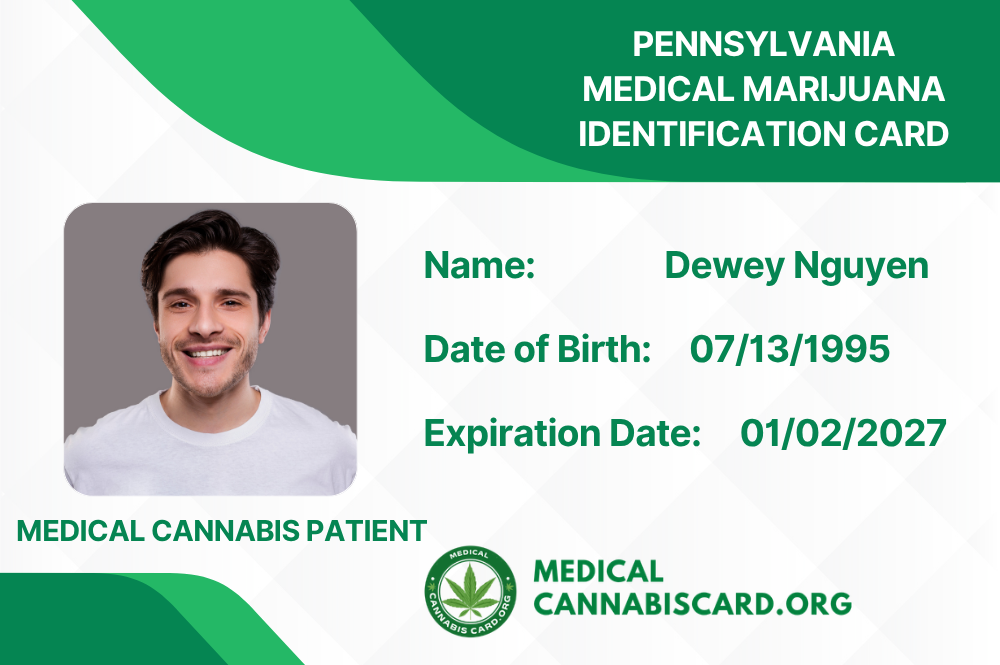
Living in the Keystone State offers a unique blend of history and natural beauty. From the bustling streets near the Reading Terminal Market in Philadelphia to the peaceful, rolling hills of Lancaster County, Pennsylvanians are proud of their home. However, whether you live in a classic brick row home in Pittsburgh or a cozy split-level house in the suburbs of Harrisburg, health challenges can affect anyone. As we look at the health landscape this year, understanding the qualifying conditions for Medical Card in Pennsylvania 2026 is the first step toward finding alternative relief. The state’s medical marijuana program has evolved significantly, offering a lifeline to residents struggling with chronic and debilitating ailments.
Pennsylvania’s Medical Marijuana Program was established to provide a safe and legal way for patients to access cannabis for therapeutic use. Over the years, the list of approved conditions has expanded. This reflects a growing understanding of how medical cannabis can help manage symptoms that traditional medicine might not fully address.
Whether you are dealing with the damp, chilly winters that make joint pain worse in Erie or the high-pollen spring days in the Lehigh Valley that trigger inflammatory responses, the program is designed to be inclusive. In 2026, the state continues to prioritize patient access and safety.
To be eligible for a medical marijuana card in Pennsylvania, a patient must be diagnosed with one of the specific conditions outlined by the Department of Health. Below is the updated and comprehensive list of qualifying conditions for Medical Card in Pennsylvania [2026]:
While the list is long, some conditions are more frequently cited by Pennsylvania residents seeking relief.
This is perhaps the most common reason patients visit dispensaries from Scranton to York. Chronic pain can stem from old sports injuries, heavy labor in the state’s industrial sectors, or simply the wear and tear of aging.
When the winter frost hits the Appalachian Mountains, many residents find that their pain levels spike. Medical marijuana provides an alternative to addictive opioids for managing this discomfort.
In today’s fast-paced world, anxiety has become a major health concern. Whether it is the stress of commuting on the Schuykill Expressway or personal challenges, anxiety can be paralyzing.
Pennsylvania recognizes anxiety as a primary qualifying condition, allowing patients to seek a calmer quality of life through guided cannabis use.
Pennsylvania has a high population of veterans and first responders. Many of these heroes live in our communities, from the quiet neighborhoods of State College to the urban centers of Allentown. PTSD can be a heavy burden to carry, but medical marijuana has shown great promise in helping patients manage triggers and improve sleep patterns.
In Pennsylvania, our environment often dictates our physical well-being. If you live in an older Victorian home in West Chester, you might deal with drafts and dampness that aggravate respiratory or inflammatory issues.
Conversely, those living in the humid summers of the Delaware Valley might find that certain neurological conditions feel more intense.
The qualifying conditions for Medical Card in Pennsylvania [2026] are interpreted by doctors who understand these local nuances. When you speak with a certifying physician, they don’t just look at a chart; they look at how your environment and lifestyle in the Keystone State impact your daily health.
One of the biggest wins for Pennsylvania patients has been the permanent adoption of telehealth for medical card certifications. You no longer need to trek through a snowstorm or deal with game-day traffic near Beaver Stadium to see a doctor. You can now complete your evaluation from your living room.
If you are wondering how to start, you can [learn how to get your card online here].
Meet James, a 62-year-old retired contractor from Stroudsburg.
James spent decades building homes across Northeast PA. The years of heavy lifting left him with severe chronic back pain. “By the time December rolled around, I could barely walk down my driveway to get the mail,” James says. He was hesitant about medical marijuana but decided to check the qualifying conditions for Medical Card in Pennsylvania [2026] after his grandson suggested it.
James booked a telehealth appointment. He was surprised to find the doctor was familiar with the specific type of nerve pain common in former construction workers. After receiving his card, James started using a high-CBD tincture.
“It didn’t make me feel ‘high,’ but it took the edge off the pain enough that I could enjoy woodshop hobbies again in my garage,” he shares. James’s story is typical of many Pennsylvanians who find that the program offers a return to normalcy.
Many people ask, “What if my exact condition isn’t on the list?” The “severe chronic or intractable pain” category is broad. It covers pain that hasn’t responded to other treatments. If you have a condition like rheumatoid arthritis or a permanent injury that causes daily suffering, you likely qualify under this category.
It is always best to [consult with a licensed PA medical marijuana doctor] to see if your specific medical history fits the state’s criteria.
If you believe you have one of the qualifying conditions for Medical Card in Pennsylvania 2026, the process is straightforward:
One of the main benefits of the Pennsylvania program is the strict testing. When you buy from a dispensary in Bethlehem or Greensburg, you know exactly what is in your medicine. Every product is tested for heavy metals, pesticides, and mold. This is especially important for patients with compromised immune systems, such as those battling cancer or HIV/AIDS.
Pennsylvania is a state of resilience. Whether we are cheering for our favorite sports teams or rebuilding after a summer flood, we look out for one another. The medical marijuana program is an extension of that care. By understanding the qualifying conditions for Medical Card in Pennsylvania [2026], you are empowering yourself to take the next step in your health journey.
Relief is not just a possibility; it is a right for those suffering from these approved conditions. Don’t let the barrier of a diagnosis keep you from the life you deserve. Explore your options, speak with a professional, and see how the Keystone State’s medical program can support your wellness today.
Currently, depression is not a standalone qualifying condition in Pennsylvania. However, if your depression is linked to chronic pain or a diagnosed anxiety disorder, you may still qualify.
Your Pennsylvania medical marijuana card is valid for one year. You should begin the renewal process about 30 days before it expires to avoid any lapse in your ability to purchase medication. You can [read more about the renewal process here].
Patients under 18 can participate in the program but must have a designated caregiver (usually a parent or legal guardian) to purchase and administer the medication.